
Table of Contents
ToggleManaging waterlogged areas and sludge-filled pits and settling tanks and construction excavations and industrial waste ponds is really tough. You need equipment that can handle more than clean water. In these places a mud pump is really important.
A mud pump is designed to transfer liquids that have mud and silt and sludge and sand and suspended solids in them. So a mud pump is very important for dewatering and waste management in different industries.
If you have a construction site with a lot of groundwater or a mining operation with a lot of slurry or a wastewater treatment facility with sludge you need to pick the right mud pump. The right mud pump can make a difference, in how well things run and how much time you lose when things are not working.
The Growing Importance of Mud Pumps in Industrial Operations
Dewatering and sludge removal are among the most common challenges faced by industries today. Excess water and accumulated sludge can disrupt operations, damage equipment, delay project timelines, and create safety hazards for workers.
Traditional water pumps are often unsuitable for these applications because they are designed to handle relatively clean liquids. When exposed to mud, debris, and abrasive particles, standard pumps can suffer from clogging, excessive wear, and reduced performance.
A mud pump is specifically engineered to overcome these challenges. Its robust construction, high solid-handling capability, and durable internal components make it ideal for transferring heavy and contaminated fluids without frequent interruptions.
Applications Where Mud Pumps Deliver Exceptional Performance
Mud pumps are really useful in a lot of areas where we need to move fluids around easily.
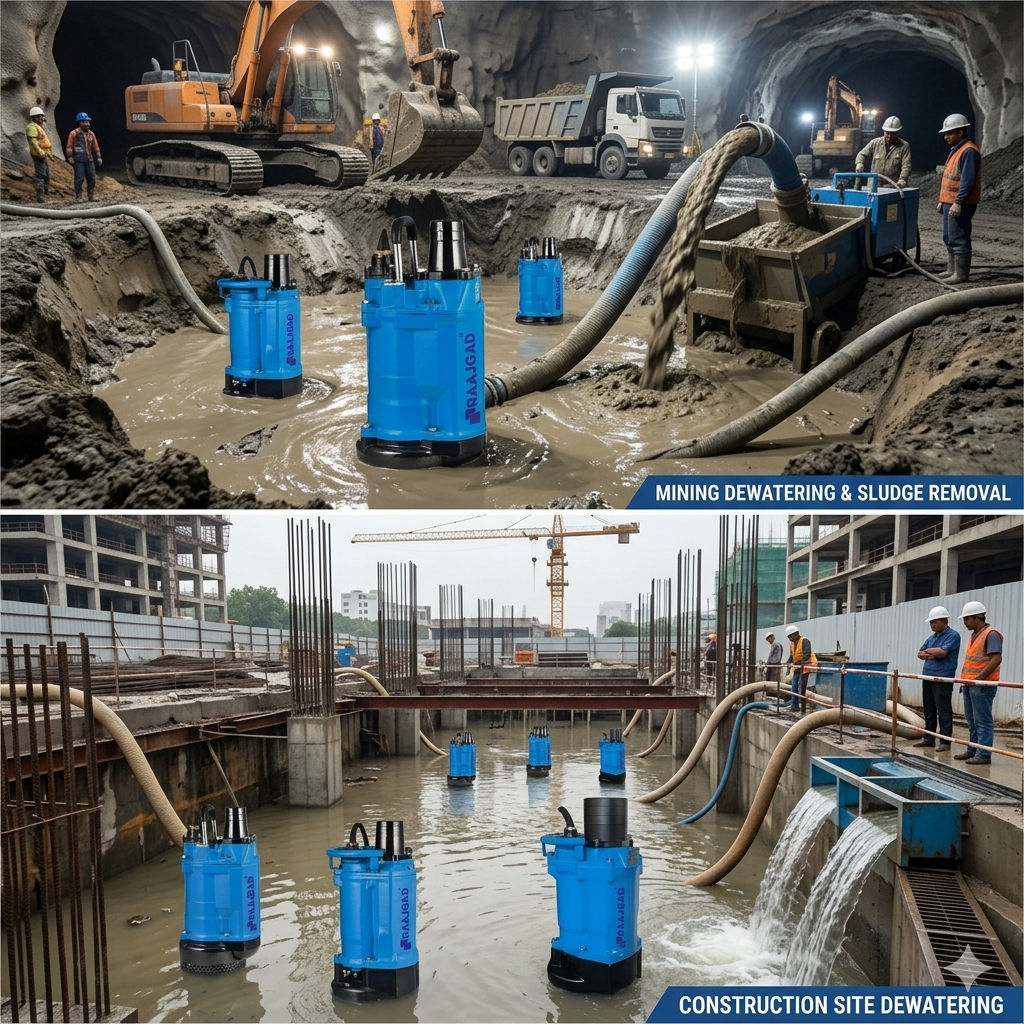
Construction Site Dewatering
When we are working on construction projects we often run into problems with water seeping into the ground, rainwater pooling and muddy holes. We have to get rid of the water and mud before we can keep working safely.
Mud pumps are a help to contractors because they keep the work area dry by getting rid of the muddy water. They are especially good at removing water from places like:
* Foundation excavations
* Basement construction sites
* Tunnel projects
* Road construction zones
* Bridge construction areas
The thing that makes mud pumps good is that they can handle the solid bits that are floating around in the water. This makes them really useful when we are working in conditions with mud pumps. Mud pumps are great, at dealing with these kinds of situations. That is why we use mud pumps.
Mining and Quarry Operations
Mining activities generate large volumes of slurry and wastewater containing sand, soil, rock particles, and minerals. Mud pumps are commonly used to move these materials from one location to another while maintaining operational continuity.
Applications include:
- Mine dewatering
- Tailings transfer
- Slurry transportation
- Pit drainage
- Sediment management
The rugged design of mud pumps allows them to withstand abrasive materials commonly found in mining environments.
Wastewater Treatment Plants
Municipal and industrial wastewater facilities need to manage sludge. They have to move sludge from one tank to another and also to digesters drying beds and disposal units.
Mud pumps are really helpful for managing sludge. They make it easier to handle sludge. They also help prevent blockages and reduce the amount of maintenance that is needed for the sludge management systems. Mud pumps are very useful for managing sludge, in wastewater facilities.
Agriculture and Irrigation Projects
Agricultural drainage systems often need to get rid of water from ponds and canals and flooded fields.
Mud pumps are a way to deal with water levels and get the land back, to a good state for farming.
The Agricultural drainage systems rely on mud pumps to keep the water under control.
Mud pumps help Agricultural drainage systems to remove water and make the land useful again.
Industrial Processing Facilities
Factories that make things, process chemicals and handle materials often produce waste that has solids and sediments in it. The factories use mud pumps to move this waste in a safe way. Mud pumps are really helpful for moving waste materials like this. They do the job safely. They do it well. Mud pumps are important, for factories that have a lot of waste to deal with.
Key Features That Define a High-Performance Mud Pump
Not all mud pumps are created equal. Certain design characteristics determine how effectively a pump performs in demanding dewatering and sludge removal applications.
High Solid Handling Capability
One of the most important features of a mud pump is its ability to handle liquids containing large solid particles. Pumps with wider passages and clog-resistant impellers can move sludge and sediment without frequent blockages.
Durable Construction
Mud and sludge often contain abrasive materials that can cause rapid wear. High-quality mud pumps are manufactured using wear-resistant materials that enhance durability and service life.
Powerful Motor Performance
Heavy sludge requires more energy to move compared to clean water. A powerful motor ensures consistent pumping performance even under challenging conditions.
Corrosion Resistance
Industrial and wastewater applications may involve chemically aggressive fluids. Corrosion-resistant components help maintain reliability and reduce maintenance costs.
Efficient Impeller Design
The impeller is responsible for generating the flow required to move fluid. Advanced impeller designs improve efficiency while reducing the risk of clogging.
Factors to Consider When Choosing a Mud Pump
Selecting the right mud pump requires careful evaluation of operating conditions and project requirements
Type of Material Being Pumped
The consistency of the material greatly influences pump selection. Thin muddy water and thick sludge have different pumping requirements.
Important considerations include:
- Solid concentration
- Particle size
- Fluid viscosity
- Abrasiveness
Required Flow Rate
Flow rate determines how quickly water or sludge can be removed from a site. Larger projects often require higher-capacity pumps to meet operational demands.
Pumping Distance
The distance between the source and discharge point affects pump performance. Understanding the required discharge head helps ensure adequate pressure and flow.
Power Availability
Mud pumps are available in electric and engine-driven configurations. The choice depends on site conditions and access to power sources.
Maintenance Requirements
Equipment downtime can be costly. Selecting a pump with accessible service points and durable components can reduce maintenance expenses over time.
Challenges Associated with Dewatering and Sludge Removal
Industrial dewatering projects often present unique challenges that demand specialized equipment.
High Sediment Content
Large quantities of sediment can quickly clog conventional pumps. Mud pumps are designed to maintain performance even when handling solid-laden liquids.
Abrasive Materials
Sand, gravel, and mineral particles accelerate wear on internal pump components. High-quality mud pumps use wear-resistant materials to combat abrasion.
Variable Fluid Consistency
Sludge characteristics can change throughout a project. Pumps must be capable of handling varying concentrations without significant efficiency loss.
Continuous Operation Requirements
Many industrial projects require pumps to run for extended periods. Reliability and thermal protection become critical factors in maintaining productivity.
Advantages of Using a Dedicated Mud Pump
Investing in a purpose-built mud pump offers several operational benefits.
Improved Efficiency
Mud pumps are engineered specifically for handling challenging fluids, resulting in faster and more reliable dewatering.
Reduced Downtime
Clog-resistant designs help minimize interruptions caused by blockages and maintenance issues.
Lower Operating Costs
Efficient performance reduces energy consumption and maintenance expenses over the life of the equipment.
Enhanced Equipment Lifespan
Durable construction materials extend service life even in harsh operating environments.
Greater Operational Flexibility
Mud pumps can be used across multiple industries and applications, providing long-term value for businesses.
Why Raajgad Mud Pumps Are Trusted for Industrial Applications
When you are picking a mud pump you really need to think about how it works and if it will keep working. Raajgad makes mud pumps that can handle the jobs of getting rid of water and sludge.
Raajgad mud pumps are built to do these things:
* Handle water and thick fluids with lots of solid pieces
* Be strong enough to work in industrial places
* Keep working even when they are running all the time
* Need maintenance to fix them
* A long time even in really tough conditions
It does not matter if you are working on a construction site and need to drain water or if you are dealing with wastewater, mining or moving industrial sludge around. Raajgad mud pumps work well when other pumps might not be able to do the job. Raajgad mud pumps are really good, at what they do.
Final Thoughts
A mud pump is a way to remove water and sludge in industries like construction, mining and wastewater treatment. It can handle particles doesn’t wear out easily and keeps working well making it a must-have for tough jobs.
When picking a mud pump you need to think about the type of fluid you’re working with how flow you need, where you’ll be using it and how you’ll maintain it. If you invest in a good quality mud pump your business can get more done have downtime and manage fluids better.
If you’re looking for equipment for handling sludge and water Raajgad Mud Pumps are a good choice. They are durable perform and are efficient making them suitable, for tough pumping jobs.
Ulhas Yadav
Director & CEO of Raajgad Techno Services Pvt. Ltd. (RTSPL) With over 30 years of industry experience, he is passionate about delivering not just machines, but smart cleaning solutions that ensure efficiency, reliability, and long-term value. Under his leadership, Raajgad Pump has grown from a modest initiative into a trusted brand serving commercial, industrial, institutional, and hospitality clients across India. Ulhas Yadav believes that purpose, service, and innovation are the true drivers of success — and is committed to helping businesses maintain world-class hygiene standards in an ever-evolving environment. This blog reflects his vision to go beyond products — by sharing knowledge, updates, and guidance that empower customers to stay ahead with confidence.


